What is a RAW image?
In the realm of digital photography, a RAW image file stands as the purest form of photographic data captured by a camera sensor. Unlike compressed formats like JPEG, RAW files preserve all the information collected by the camera’s sensor without any processing or compression. This means every detail, from color information to brightness levels, remains intact, offering photographers unparalleled control and flexibility during post-processing.
Photographers favor RAW files because they retain maximum image quality and provide extensive editing capabilities. By preserving all sensor data, RAW files allow adjustments to exposure, white balance, contrast, and more without degrading the image. This flexibility is crucial for professional photographers and enthusiasts who seek to achieve their desired artistic vision with precision and clarity. However, RAW files also require specialized software to interpret and edit effectively, as each camera manufacturer often has its own proprietary RAW format.
In essence, raw image files are the digital equivalent of a photographer's raw material "digital negatives"—a canvas rich with potential, awaiting careful refinement to transform into a finalized photograph that reflects the truest essence of the captured moment. For those willing to invest time and effort into post-processing, raw files offer unmatched creative freedom and the ability to produce images of exceptional quality and personal expression.
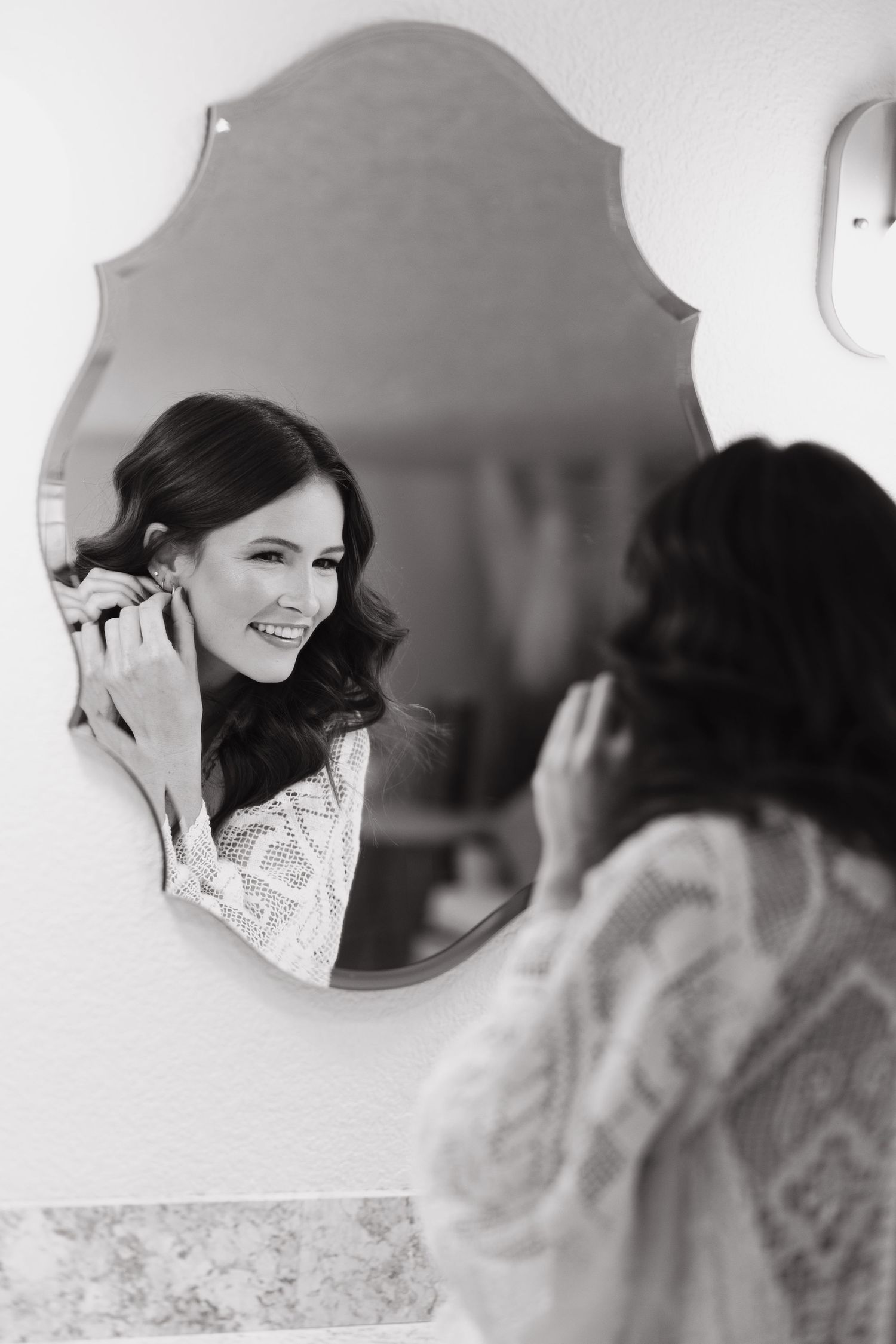
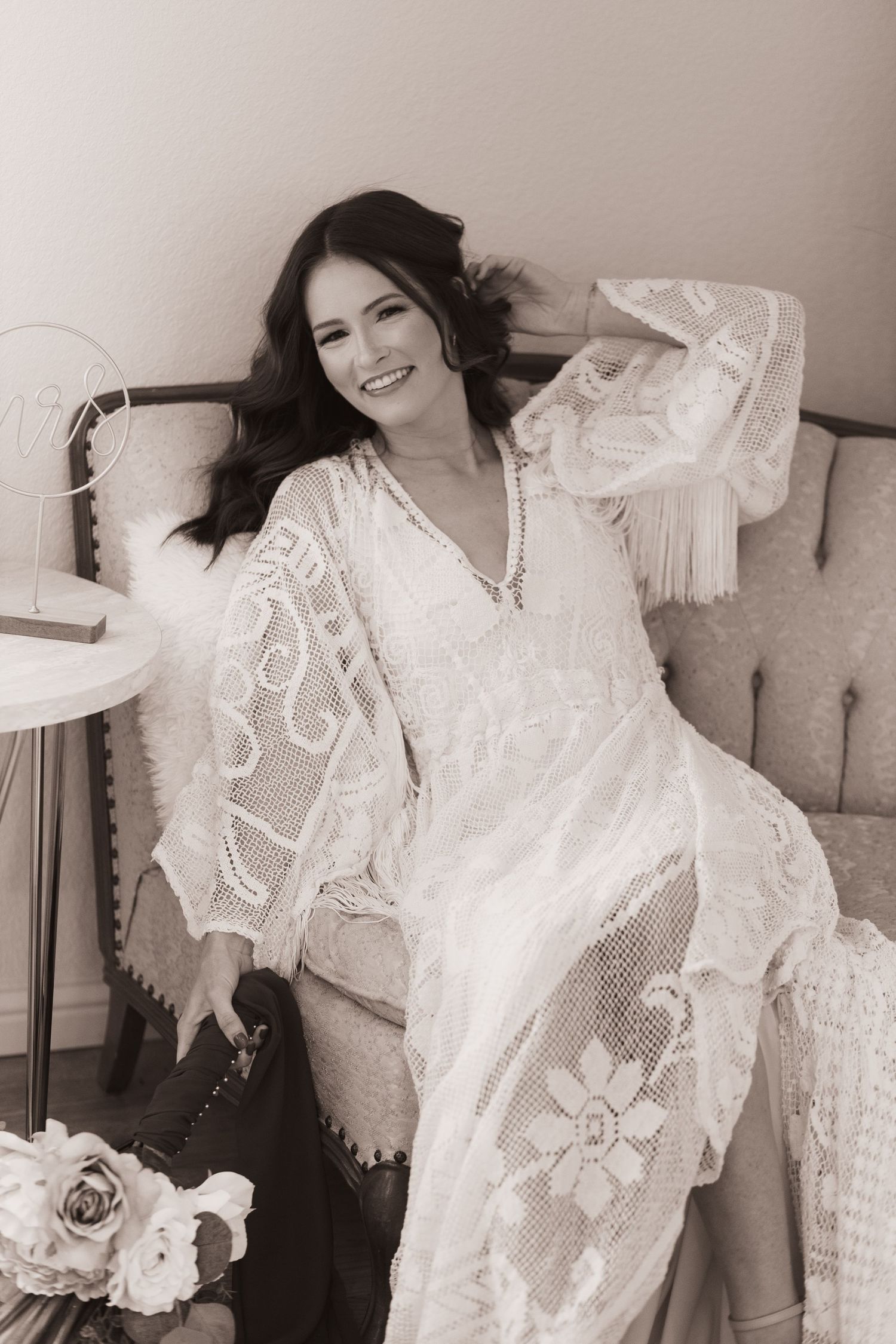
Photographers usually take Hundreds of photos.
Most sessions require the photographer to take a couple hundred to a couple thousand photos at a time. After culling and going thoroughly through the files most of the time a client will receive 20-100 images that are prepped for editing. Photographers often capture hundreds of photos during a session to ensure they capture the perfect moment, expression, or composition. This approach increases the likelihood of obtaining a variety of shots, offering choices for clients and opportunities to select the best images with optimal lighting, angles, and emotions.
Look at a photographers style prior to hiring them.
It is crucial for clients to assess a photographer's style before hiring them because photography is not just about capturing moments; it's about capturing them in a way that resonates with the client's aesthetic preferences and vision. Every photographer has a unique style influenced by their artistic sensibilities, technical skills, and the equipment they use. By reviewing a photographer's portfolio or previous work, clients can gauge whether their style aligns with what they envision for their own photoshoot or event.
Understanding a photographer's style helps clients anticipate the overall mood and quality of the final images. Whether it's documentary-style candid shots, dramatic lighting and posing, or a minimalist approach, each style conveys different emotions and storytelling techniques. This alignment ensures that the photographer's output will meet the client's expectations and effectively communicate the desired message or sentiment through the images.
Reviewing a photographer's style allows clients to assess their versatility and adaptability to different settings or themes. Some photographers excel in specific genres such as wedding photography, portraits, landscape, or commercial photography, each demanding different skills and approaches. By seeing a photographer's past work, clients can determine if they have experience in similar contexts or have successfully tackled challenges similar to their own project, thus instilling confidence in their ability to deliver outstanding results. Ultimately, choosing a photographer whose style resonates with the client's vision ensures a harmonious collaboration and enhances the likelihood of achieving photography that truly reflects and enhances the intended message or occasion.